
Regular vehicle servicing is one of the most effective ways to protect your investment, improve safety, and extend the life of your car. Routine, regular maintenance ensures your vehicle performs at its best while helping to prevent costly repairs in the future, regardless of you driving every day or only occasionally.
Following your manufacturer’s recommended service schedule keeps essential components in excellent condition, improves fuel efficiency, and gives you confidence that your vehicle is roadworthy whenever you need it.


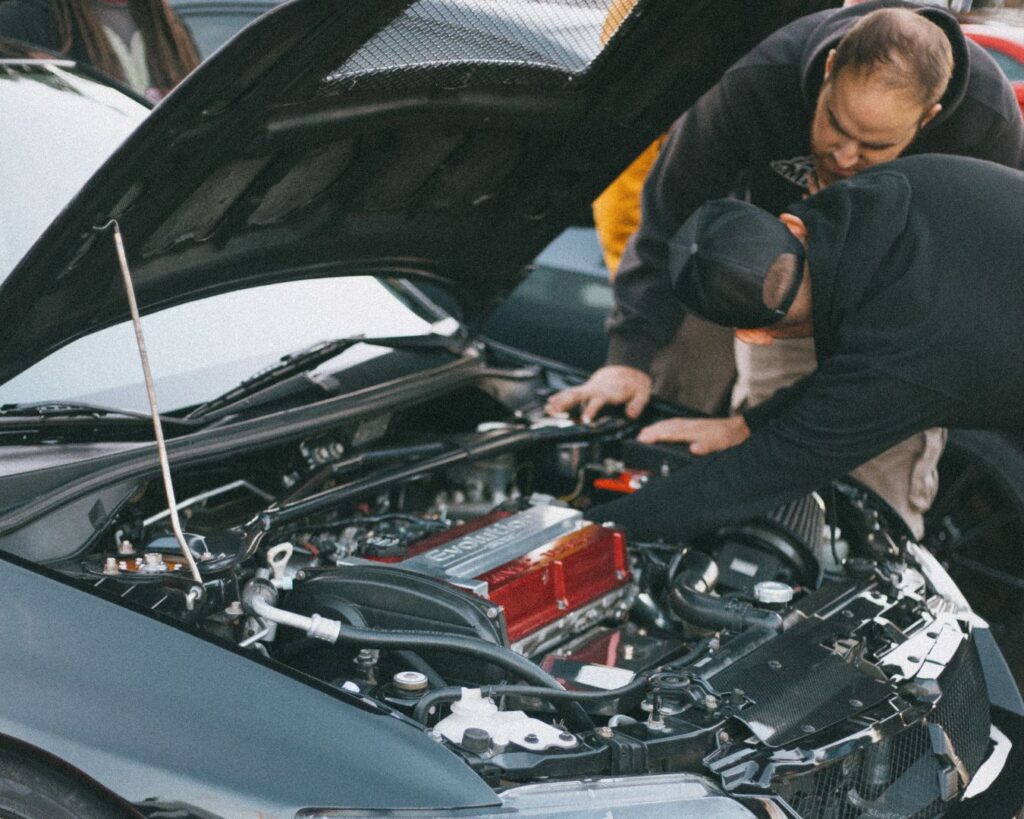
Keeping Your Car Safe, Reliable and Efficient
Servicing your vehicle is about far more than changing the engine oil. Regular maintenance keeps your vehicle operating safely and efficiently while reducing the risk of unexpected mechanical failures. It also helps maintain your vehicle’s resale value, preserves manufacturer warranties, and identifies potential problems before they develop into expensive repairs.
As a general guideline, most vehicles should be serviced every 10,000 to 15,000 kilometres or at least once every 12 months, whichever comes first. However, every manufacturer has its own recommended maintenance schedule, so it is always advisable to follow the service intervals outlined in your owner’s manual.
Understanding Vehicle Service Intervals
Modern vehicles typically alternate between minor and major services throughout their lifespan. Each service is designed to maintain different components based on normal wear and tear, helping your vehicle remain reliable and perform at its best.
Minor Vehicle Service
A minor service is generally recommended every 10,000 to 15,000 kilometres or every six to twelve months, depending on your vehicle and driving habits. During a minor service, technicians replace the engine oil and oil filter, ensuring the engine remains properly lubricated and protected from excessive wear. Essential fluids, including coolant, brake fluid, and windscreen washer fluid, are checked and topped up where necessary. The braking system, tyre condition and pressures, battery, lights, and other critical safety features are also inspected to ensure your vehicle remains safe and roadworthy.
Major Vehicle Service
Major services are typically carried out every 30,000 to 60,000 kilometres or every two to four years.
In addition to the work completed during a minor service, technicians replace engine air filters and cabin air filters, helping maintain engine performance and cabin air quality. Spark plugs are replaced to ensure efficient combustion and reliable engine performance, while the steering, suspension, braking, and exhaust systems receive more comprehensive inspections to identify wear before it becomes a significant problem.
Extended Maintenance
As your vehicle reaches between 80,000 and 100,000 kilometres, more extensive preventative maintenance becomes necessary. This often includes replacing timing belts and drive belts where applicable, inspecting hoses for signs of ageing or deterioration, and checking other major components that naturally wear over time. Replacing these items before they fail can prevent severe engine damage and costly repairs.
Why Time Is Just as Important as Mileage
Many motorists believe servicing is only necessary once they reach a certain mileage. However, time is equally important. Even when a vehicle is driven infrequently, engine oil gradually loses its protective qualities, while rubber components such as belts, hoses, seals, and tyres naturally deteriorate with age. If your vehicle has not reached its recommended service mileage within twelve months, you should still book it in for its annual service. Regular maintenance helps ensure that age-related deterioration is identified before it affects reliability or safety.
Driving Conditions That May Require More Frequent Servicing
Not all vehicles operate under ideal driving conditions. Certain driving environments place additional strain on the engine, transmission, brakes, and suspension, requiring more frequent servicing than the standard maintenance schedule. Vehicles that regularly undertake short trips of less than five kilometres often do not reach optimal operating temperatures, which can accelerate engine oil degradation. Frequent stop-start traffic increases wear on brakes and the engine, while towing heavy trailers places additional stress on the drivetrain and cooling system. Likewise, driving on gravel roads or in dusty environments exposes filters, suspension components, and engine systems to increased wear.
If your driving habits fall into any of these categories, your service provider may recommend shorter service intervals to keep your vehicle performing reliably.

The Benefits of Servicing Your Vehicle on Time
Routine Servicing offers numerous long-term benefits beyond simply keeping your vehicle running smoothly.
Following the Manufacturer’s Recommended Maintenance Schedule – helps preserve your vehicle’s warranty, as many warranties require proof that servicing has been completed according to the original equipment manufacturer’s (OEM) specifications. Missing scheduled services could affect warranty claims and reduce the value of your vehicle when it comes time to trade in or sell.
A Complete Service History also gives prospective buyers greater confidence, making your vehicle more attractive on the second-hand market and often increasing its resale value.
Regular Servicing Improves Fuel Efficiency by ensuring the engine operates at peak performance, while clean filters, fresh lubricants, and properly adjusted components reduce unnecessary strain on the vehicle. Most importantly, routine inspections allow technicians to identify worn or damaged parts before they lead to more serious mechanical failures, helping you avoid expensive repairs and unexpected breakdowns.
Invest in Your Vehicle’s Future
Routine servicing is one of the smartest investments you can make as a vehicle owner.
By servicing your vehicle on time and following the manufacturer’s recommended maintenance schedule, you can enjoy improved reliability, lower running costs, better fuel efficiency, and greater peace of mind every time you get behind the wheel.