
Finding Calm in a Busy World
Modern life can be busy, noisy and demanding, leaving little time to pause and simply breathe. Meditation offers a simple way to create a moment of calm and for you to become more aware of what is happening in your mind and body.
You do not need special equipment, a particular belief system or hours of free time to meditate. Even a few quiet minutes can provide an opportunity to slow down, refocus and reconnect with yourself.
What is Meditation?
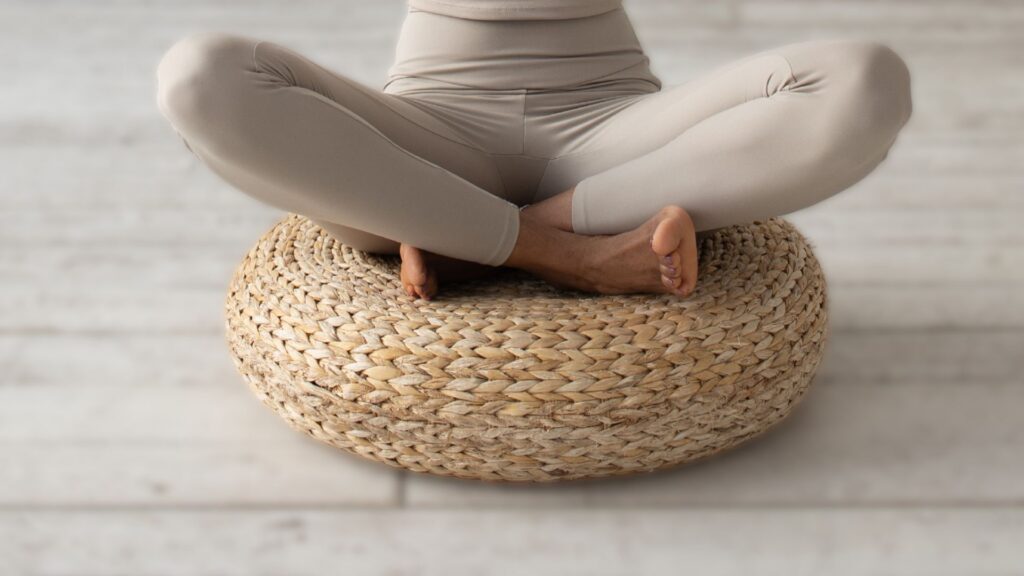
Meditation is a practice that involves deliberately paying attention to the present moment. Rather than becoming caught up in every thought, worry or distraction, meditation encourages you to observe what is happening without immediately reacting to it. Depending on the type of meditation, you might concentrate on your breathing, a sound, a phrase, physical sensations, movement or simply the experience of being present.
Meditation is not about trying to stop your mind from thinking. Thoughts will naturally come and go. The aim is to notice when your attention has wandered and gently bring it back to whatever you have chosen to focus on. With regular practice, this can help develop greater awareness and a calmer relationship with your thoughts and emotions.
Why Meditate?
People meditate for many different reasons. Some want to manage everyday stress, while others are looking for greater mental clarity, improved concentration or a few peaceful moments during a busy day.
Meditation can also become a valuable part of a broader self-care routine. Research suggests that regular mindfulness and meditation practices can help reduce perceived stress and may support emotional wellbeing.
Some people also find that meditation helps them become more aware of negative thought patterns and respond to challenging situations more thoughtfully rather than reacting automatically. Meditation may also encourage relaxation and help prepare the mind for sleep. It is important, however, to view meditation as a supportive wellbeing practice rather than a cure for medical or psychological conditions.

Different Ways to Meditate
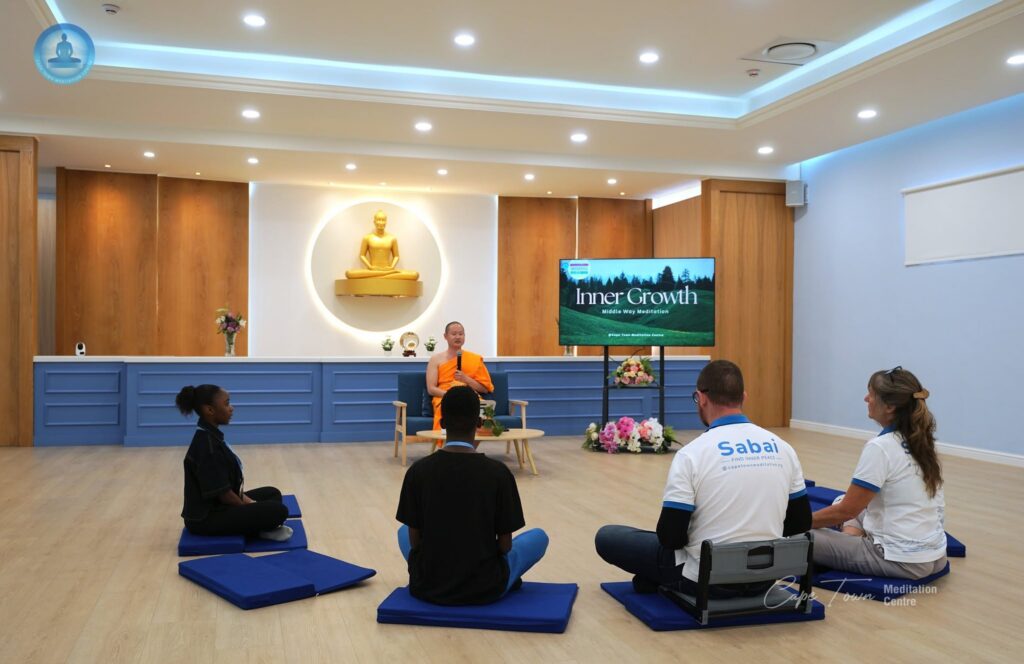
There is no single “correct” way to meditate. Different techniques suit different people, and it can take some experimentation to discover what feels comfortable and enjoyable for you.
Mindfulness Meditation involves paying attention to the present moment with an attitude of curiosity and acceptance. You might focus on your breathing, sounds around you or sensations in your body. When your mind wanders, you simply acknowledge it and gently return your attention to the present.
Breathing Meditation is one of the simplest techniques for beginners. Sit comfortably and pay attention to your natural breathing. Notice the sensation of breathing in and breathing out. You do not necessarily need to change your breathing; the exercise is simply to observe it and return your attention to it whenever your thoughts wander.
Guided Meditation involves listening to a teacher or recording that leads you through a meditation. The guidance might focus on breathing, relaxation, visualisation, body awareness or a particular intention. Guided meditation can be particularly helpful for beginners who are unsure where to start.
Body Scan Meditation involves slowly directing your attention through different parts of your body. You may notice sensations such as warmth, tension, heaviness or relaxation without judging them. It can be a useful way to become more aware of physical tension and how your body feels.
Loving-Kindness Meditation, sometimes called compassion meditation, involves deliberately cultivating feelings of kindness and goodwill towards yourself and others. You may silently repeat phrases expressing wishes for wellbeing, peace, safety or happiness.
Walking Meditation demonstrates that meditation does not necessarily require sitting still. As you walk slowly, you focus your attention on the movement of your body, your feet touching the ground, your breathing and the sensations around you. It can be a refreshing alternative for people who find sitting meditation difficult.
Movement Meditation combines mindful awareness with physical movement. Practices such as gentle yoga, tai chi or other slow, deliberate movements can encourage you to pay attention to your body while remaining mentally present.
Mantra Meditation involves quietly repeating a word, sound or phrase. The repetition gives the mind something simple to focus on and can help reduce the tendency to become distracted by passing thoughts.
Visualisation Meditation uses the imagination to create a mental image of a peaceful place, calming scene or desired experience. By concentrating on the imagined details, such as sights, sounds and sensations, you can create a focused period of mental relaxation.
How to Start Meditating
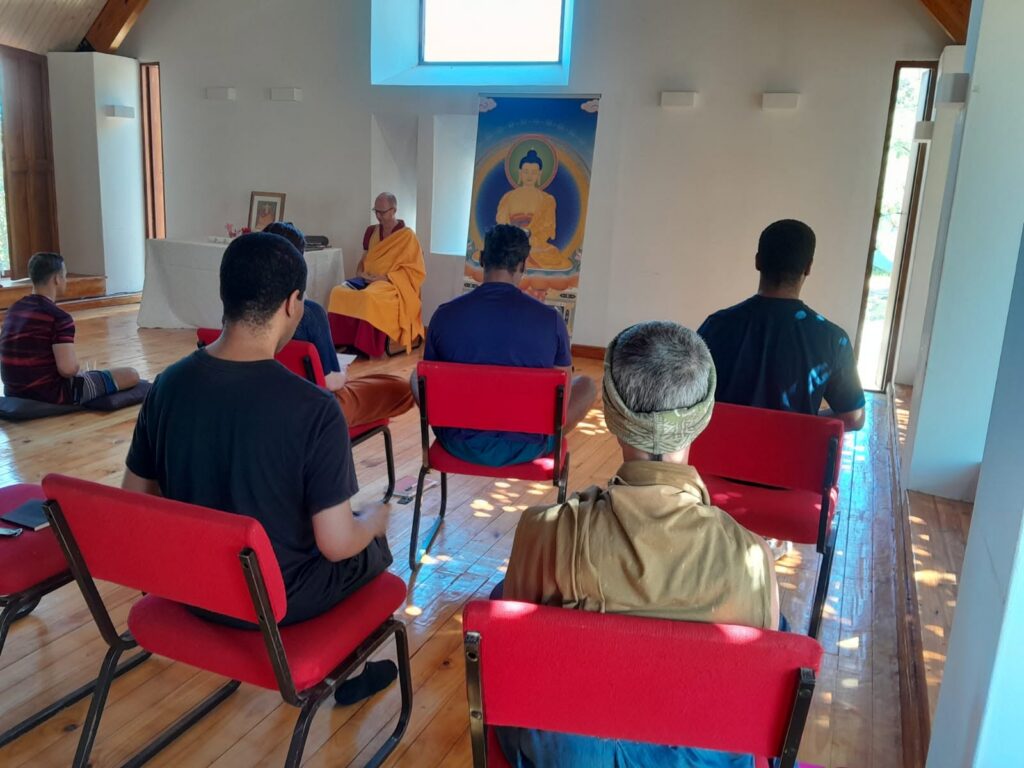
Start with five minutes a day and gradually increase the time if you enjoy it. Find somewhere reasonably quiet where you can sit comfortably without being disturbed. You can sit on a chair, cushion or even lie down if that is more comfortable, although sitting can make it easier to remain alert.
Close your eyes or soften your gaze and bring your attention to your breathing. Your mind will wander, that is completely normal. When you notice that you have become distracted, simply return your attention to your breath. There is no need to criticise yourself for losing focus; noticing that your mind has wandered is actually part of the practice.
Making Meditation Part of Everyday Life
Meditation can become a small but meaningful part of your daily routine. You might meditate after waking up, during a lunch break, before going to bed or whenever you feel that you need a mental reset. Some people prefer a formal meditation session, while others incorporate mindfulness into ordinary activities such as drinking tea, walking, gardening or eating a meal.
The key is consistency. A few minutes of regular practice may be more sustainable than attempting an ambitious routine that quickly becomes difficult to maintain.
A Simple Way to Find Your Calm
Meditation is not about escaping from everyday life. Instead, it can help you become more present within it. By taking time to pause, breathe and observe your thoughts and sensations, you can create space between what happens and how you respond.