Wedding catering is about more than choosing what goes on the menu. The way food is prepared, presented and served can influence the flow of your reception, the time your guests spend at the table and how much you spend on the day.
From plated dinners and buffet catering to grazing tables, food stations and braai menus, there are several ways to feed your wedding guests. Some catering styles suit formal celebrations, while others work well for large receptions, outdoor weddings or couples who want guests to mingle.
In this guide, we explore 10 wedding catering trends to consider, the types of weddings each option suits, and what to keep in mind when choosing a catering style. We also look at wedding catering factors that can affect your budget.
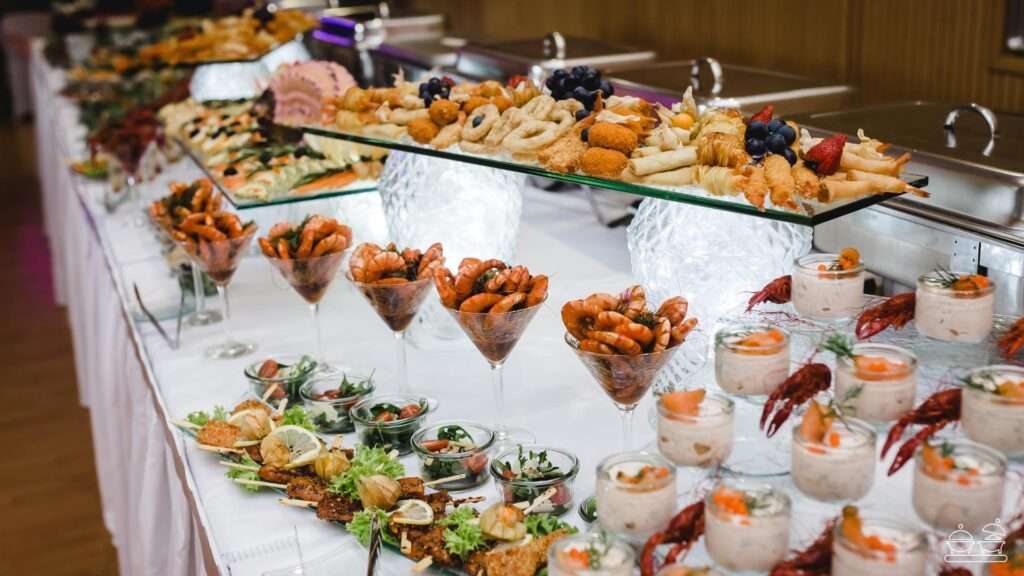
10 Wedding Catering Trends to Consider
Wedding catering can follow a traditional format or take a different approach. The right choice depends on your guest list, venue, budget and the kind of reception you have planned.
Here are 10 catering styles and menu ideas to consider for your wedding.
1. Plated Wedding Catering for Formal Receptions
Plated catering is a traditional choice for couples planning a formal wedding reception. Guests remain seated while the catering team serves each course at the table.
A typical menu may include a starter, a main course and dessert. Couples can offer guests a choice of main courses, provided these are arranged with the caterer in advance.
Best for: Formal weddings, ballroom receptions and celebrations with a planned schedule for speeches, dinner and dancing.
What to consider: Plated service requires coordination between the kitchen and waiting staff. The caterer needs to know the final guest numbers, meal selections and dietary requirements before the event. Staffing requirements can also affect the cost.
This option works well when you want dinner to follow a set schedule and guests to remain at their tables during the meal.
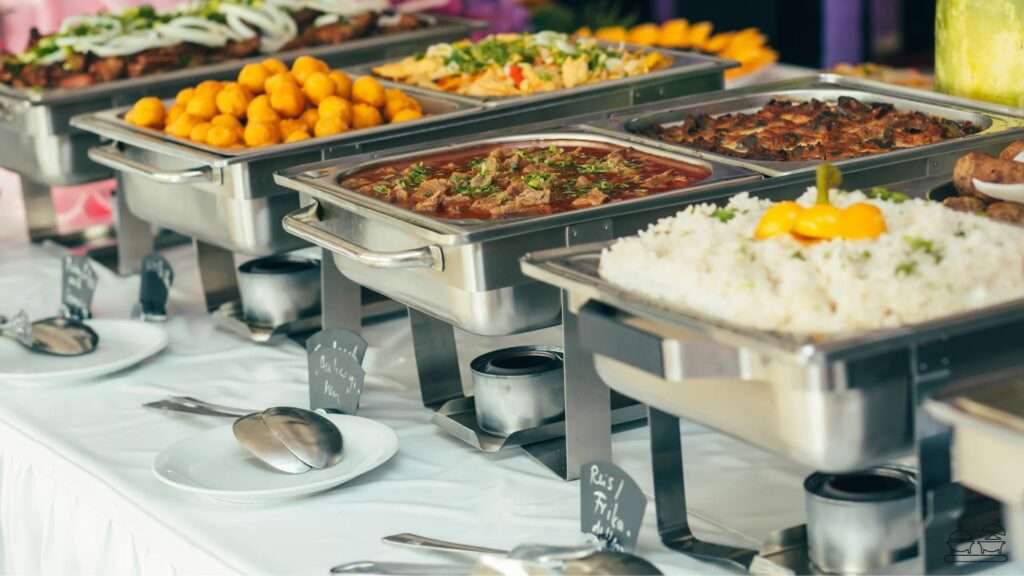
2. Buffet Catering for Large Wedding Receptions
Buffet catering allows guests to choose their food from a selection displayed at serving tables. Depending on the menu, the spread may include several main courses, side dishes, salads and desserts.
One of the main benefits is choice. Guests can select the dishes they prefer and decide how much to put on their plates. A buffet can also accommodate different menu preferences, provided the caterer plans and labels the dishes appropriately.
Best for: Large wedding receptions, relaxed celebrations and weddings where guests have different food preferences.
What to consider: The venue needs enough room for serving tables and queues. For a large guest list, multiple serving points or a plan to release tables in groups can help manage waiting times.
Buffet catering is often associated with lower staffing costs than plated service, but the final price depends on the menu, quantities, equipment and staff included in the quotation.

3. Family Style Catering for Shared Dining
Family-style catering combines seated dining with shared platters. Instead of receiving individual plates or visiting a buffet, guests pass dishes around their tables and serve themselves.
The menu might include shared starters, meat or vegetarian main dishes, vegetables, salads and sides. It allows guests to remain seated while choosing from the food available at their table.
Best for: Intimate weddings, farm weddings and receptions where couples want guests to share a meal around the table.
What to consider: Tables need enough space for platters, serving utensils, crockery and centrepieces. The caterer must also plan portions and accommodate guests with dietary requirements.
Family-style catering offers a way to combine table service with guest choice. It is worth discussing the menu and table layout with your caterer before making a decision.
4. Harvest Tables and Grazing Tables for Wedding Receptions
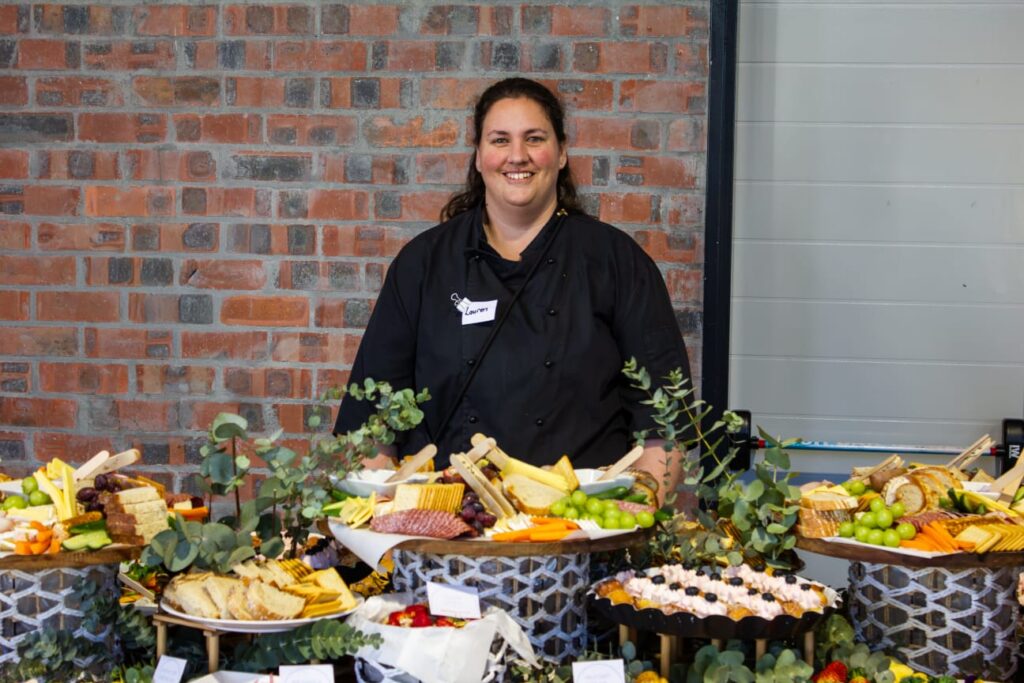
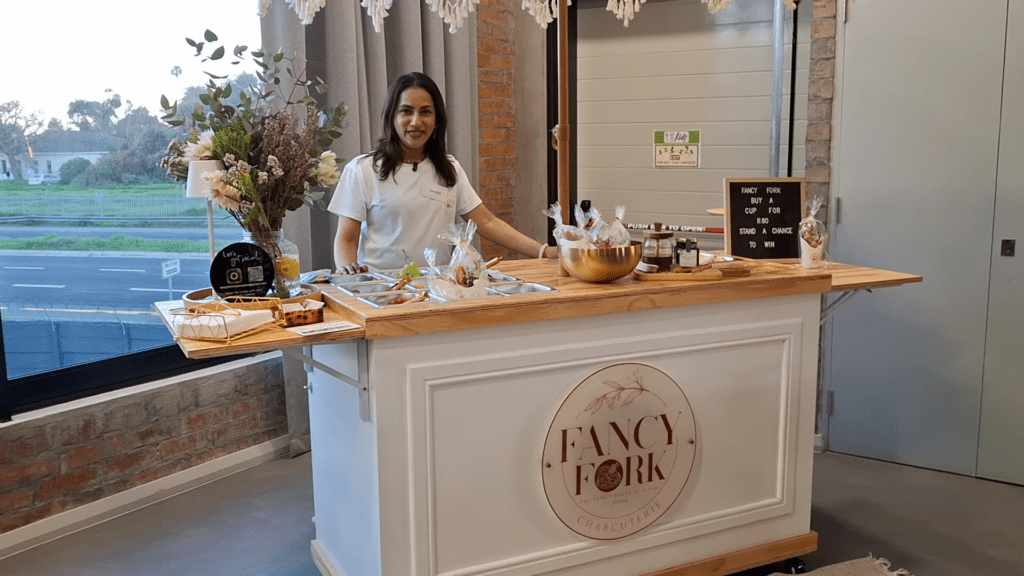
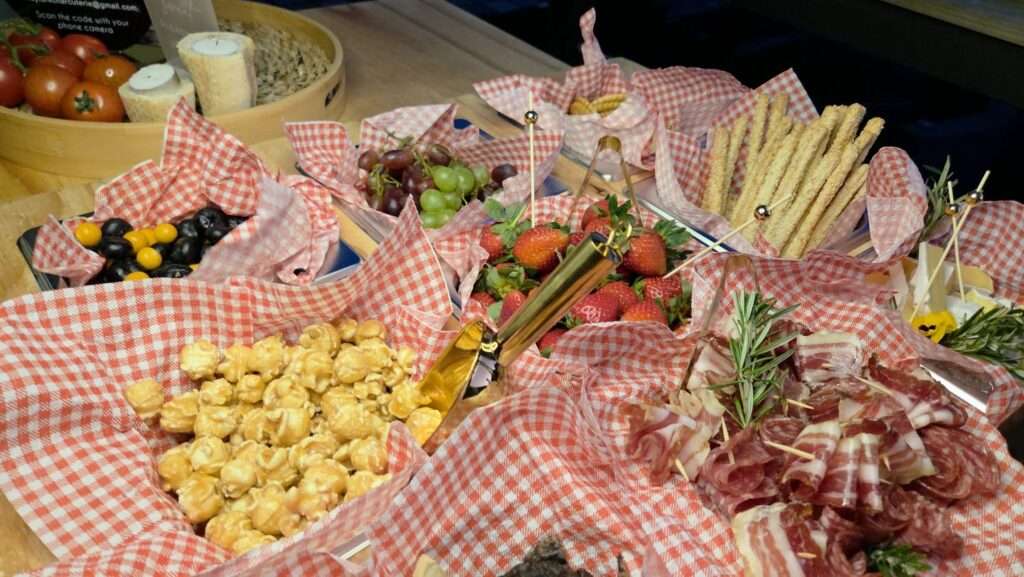
Harvest tables and grazing tables present food on shared displays where guests can help themselves. They may feature cheeses, breads, fruit, salads, charcuterie, dips and other items selected for the menu.
The terms are sometimes used interchangeably, although a harvest table often includes a broader selection of prepared dishes, while a grazing table may focus on foods that guests can pick up and eat without a full meal service.
These displays can serve as a starter, a cocktail-hour option or part of a wider catering arrangement. They should not automatically be treated as a substitute for a main meal, since the quantity and type of food determine whether they are sufficient.
Best for: Garden weddings, outdoor receptions, informal celebrations and weddings where guests mingle before dinner.
What to consider: Food needs to be replenished and kept at safe temperatures. The caterer should also provide serving utensils, label dishes where necessary and plan for guests with allergies or dietary restrictions.
A harvest or grazing table can be paired with plated mains, a buffet or other catering options to give guests more than one way to enjoy the menu.
5. Interactive Wedding Food Stations
Food stations divide the menu into separate serving areas. Each station focuses on a particular dish, cuisine or cooking method. Examples include pasta stations, carving stations, taco bars, dessert stations and chef-attended cooking areas.
Some stations allow guests to assemble their own dishes, while others have chefs prepare or serve food to order.
Interactive stations have featured in wedding catering trend coverage for 2025 and 2026, with industry sources highlighting customisable menus and live food preparation. Catersource’s 2025 trend report discusses the use of interactive stations and chef-led experiences at events.
Best for: Social receptions, weddings with varied menu preferences and venues with enough room for several serving areas.
What to consider: Each station needs sufficient space, equipment and staff. Popular stations may develop queues, so the layout should allow guests to move between areas without blocking other parts of the reception.
Food stations can also be combined with plated courses or a buffet. This allows couples to offer a structured meal alongside a few interactive options.
6. Canapés and Finger Food for Cocktail Style Weddings
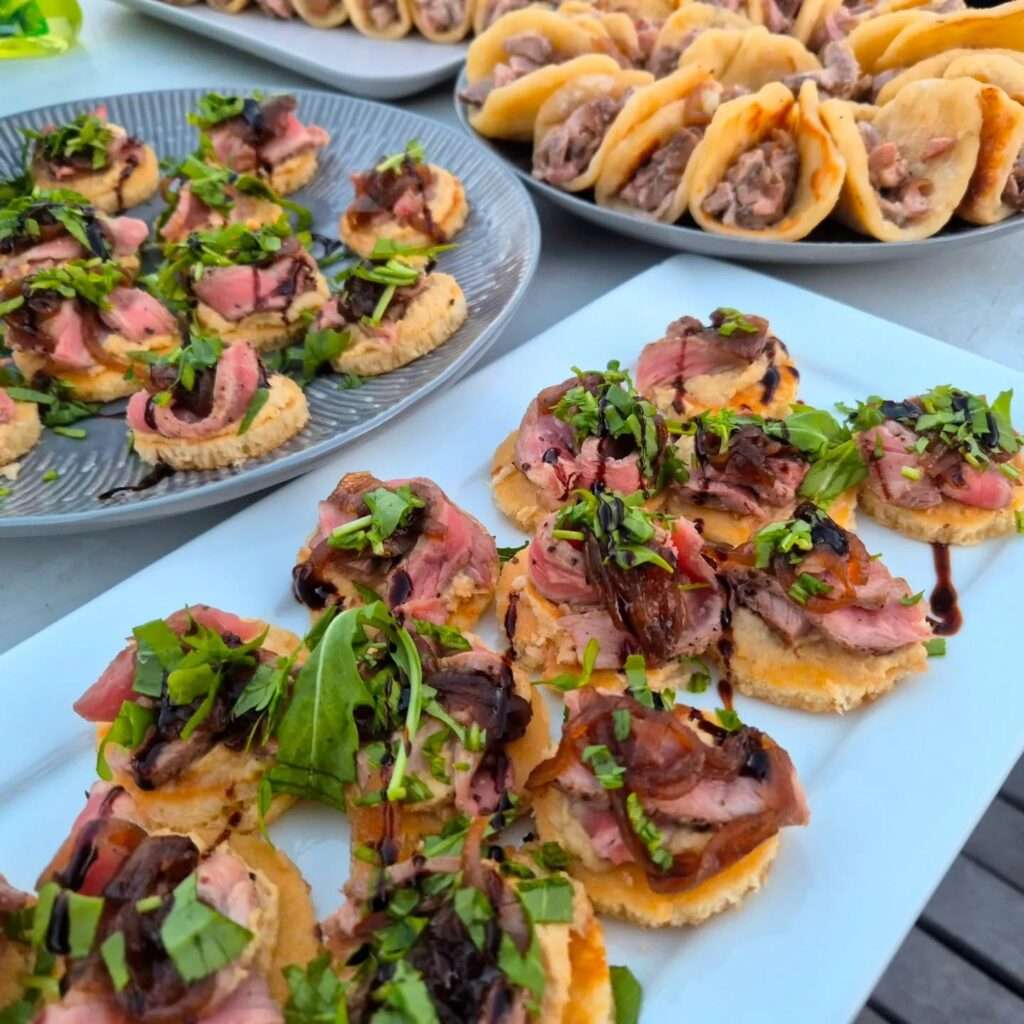
Canapés and finger food are served in small portions that guests can eat while standing or mingling. They can be passed around by waiting staff or arranged on serving tables.
Menus may include mini sandwiches, savoury pastries, skewers, small portions of seafood and other bite-sized dishes. The selection depends on the caterer and the style of the event.
For some weddings, canapés are served during the period between the ceremony and the main meal. For others, they form part of a cocktail-style reception without a traditional sit-down dinner.
Best for: Shorter receptions, afternoon weddings, smaller celebrations and couples who want guests to mingle rather than spend the evening at assigned tables.
What to consider: If canapés are replacing a full meal, discuss the number of portions, variety and serving schedule with the caterer. Guests may need more food than expected, particularly when the reception continues for several hours.
You should also plan seating for guests who need a place to sit while eating. A cocktail-style reception can include tables and chairs without requiring a formal seating arrangement for everyone.

7. Wedding Food Trucks for Outdoor Celebrations
Food trucks offer another way to serve meals at a wedding. Depending on the supplier, the menu might include burgers, pizza, tacos, sandwiches, desserts or other dishes prepared or served from a mobile kitchen.
A couple could hire one truck to serve the main meal or arrange several trucks with different menus. Food trucks can also be used for a late-night snack while guests are dancing.
South African wedding coverage has highlighted food trucks as an alternative to traditional plated meals, particularly for celebrations that use informal dining and multiple food options. Food Truck Finder South Africa provides further guidance on planning food truck catering for weddings.
Best for: Outdoor weddings, festival-style celebrations, informal receptions and venues with suitable access for food trucks.
What to consider: Check whether the venue permits food trucks and whether there is enough space for parking, serving and queues. You should also confirm access to electricity, water and other facilities where required.
Ask suppliers about minimum spends, travel fees, serving capacity and what happens if the weather affects the setup. Food trucks can form part of the main catering plan, but the number of trucks and the size of the guest list need to be considered together.
8. Braai and Open Fire Catering for South African Weddings
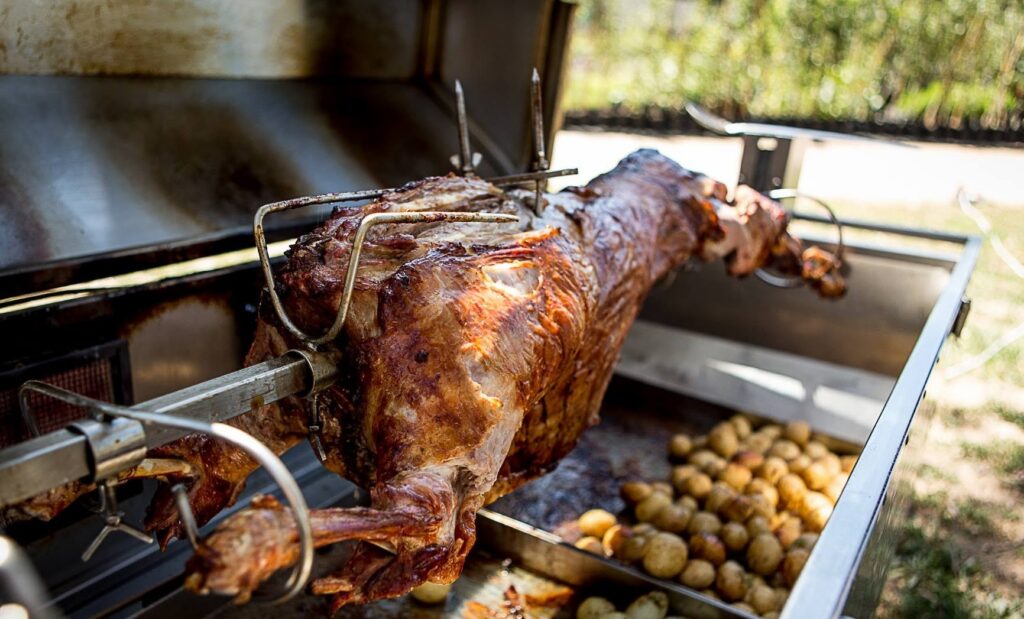
A braai can form the centre of a South African wedding menu, with meat or other dishes prepared over an open fire. Depending on the caterer, the menu may include chicken, beef, boerewors, vegetables, salads, breads and side dishes.
Some caterers also offer spit-braai options or combine open-fire cooking with a buffet. This allows couples to choose how food is prepared while deciding separately how it will be served.
Best for: Farm weddings, outdoor receptions, informal celebrations and couples who want a South African braai to feature in the menu.
What to consider: Check the venue’s rules about open fires, cooking equipment and fire safety. The caterer should also have a plan for food preparation, serving times and weather conditions.
A braai is not automatically less expensive than other wedding catering styles. The final cost depends on the menu, ingredients, staff, equipment and the number of guests.
9. Seasonal and Locally Sourced Wedding Menus
Another approach is to build the wedding menu around ingredients available in the season and produce sourced from local suppliers.
This can influence the dishes a caterer recommends, the vegetables and fruit served with the meal, and the ingredients used in starters and desserts. It can also give couples a way to include regional food in their wedding menu.
South African wedding publication Wedding ETC’s 2026 trend coverage identifies seasonal menus, local ingredients, shared dining and open-fire cooking among the approaches being seen in wedding celebrations.
Best for: Weddings where couples want the menu to reflect the season, the region or the ingredients available from local suppliers.
What to consider: Ask your caterer which ingredients are available at the time of your wedding and whether substitutions may be needed. Seasonal availability can affect both the menu and the final price.
If local sourcing matters to you, ask the caterer where key ingredients come from and how much of the menu can be built around those suppliers.
10. Late Night Wedding Snacks and Dessert Stations
The meal does not have to end when dinner is cleared. Some couples arrange additional food later in the reception, particularly when dancing continues for several hours.
Late-night catering might include sliders, chips, pizza slices, mini toasted sandwiches, pastries or desserts. A dessert station can also give guests a choice of smaller portions instead of relying on a single plated dessert.
These options can be arranged as a separate serving point, delivered to guests or incorporated into a food truck setup.
Best for: Evening receptions, weddings with a long dance party and celebrations where guests will be eating over several hours.
What to consider: The timing and quantity should match the length of the reception and the food already included in the main menu. You may not need a large late-night meal if the wedding dinner finishes shortly before the dancing begins.
Ask your caterer whether late-night food can be included in the main quotation or priced as an additional service. That will help you compare the cost with other menu options.
How to Choose the Right Wedding Catering Style
The best wedding catering style is the one that fits your guest list, venue and budget. Before choosing a menu, consider how you want guests to eat and how the meal will fit into the reception schedule.
Start with your venue. Check the available kitchen facilities, space for serving tables, access for suppliers and any restrictions on cooking equipment. A venue that works well for plated service may not have enough room for several food stations.
Consider your guest numbers. A large guest list requires a plan for serving food within a reasonable time. Discuss staffing, queues and the number of serving points with your caterer.
Set your budget. Ask for a quotation that separates food, staff, equipment and any additional services. Compare what is included rather than looking at the price per person alone.
Plan for dietary requirements. Collect information about allergies and dietary needs early. Confirm with the caterer how these meals will be prepared, labelled and served.
Think about timing. Consider when the ceremony ends, when guests will eat and how much time you have allocated for speeches, dancing and other parts of the reception.
Once these details are clear, you can compare catering options based on what will work for your wedding rather than choosing a style simply because it is popular.
Wedding catering offers plenty of options, from plated dinners and buffets to shared platters, food stations, braai menus and late-night snacks. You can choose one format for the entire reception or combine a few options to suit different parts of the day.
Start with your guest list, venue, budget and schedule. Then discuss the options with your caterer and ask how each one will work in practice.
The aim is to choose a menu and service style that fit your plans and give your guests the food they need throughout the celebration. Once those pieces are in place, you can focus on the rest of the day, knowing the catering has a plan.