The Western Cape of South Africa remains one of Africa’s most rewarding birding destinations in 2026, offering an extraordinary blend of fynbos birds, coastal seabirds, migratory waders, raptors, and arid-zone specials. From mountain slopes and indigenous forests to RAMSAR wetlands (a wetland designated of international importance under the Ramsar Convention) and dramatic ocean cliffs, the region provides exceptional year-round birding opportunities.
Whether searching for the endangered African Penguin, the elusive Cape Rockjumper, or dazzling nectar feeders in blooming proteas, the Western Cape delivers world-class sightings within easy reach of Cape Town.
Birding In The Western Cape – Hotspots
West Coast National Park
Surrounding the Langebaan Lagoon, this internationally recognised RAMSAR site is one of South Africa’s most important habitats for migratory waders and coastal birds. During the summer months (September to March), thousands of Palearctic migrants feed along the exposed mudflats, making it a premier destination for shorebird enthusiasts. Spring (August to September) offers the added spectacle of wildflower displays combined with peak bird activity.
For optimal wader viewing, plan your visit approximately 4.5 hours after high tide at Table Bay, when birds concentrate along the lagoon edges. Key species include Black Harrier, Southern Black Korhaan, Cape Penduline Tit, Cape Clapper Lark, and Grey-winged Francolin. Facilities are excellent, with four specialised bird hides, well-marked hiking trails such as Bakoor and Geelbek, and restaurant and accommodation options at Geelbek.
Kirstenbosch National Botanical Garden
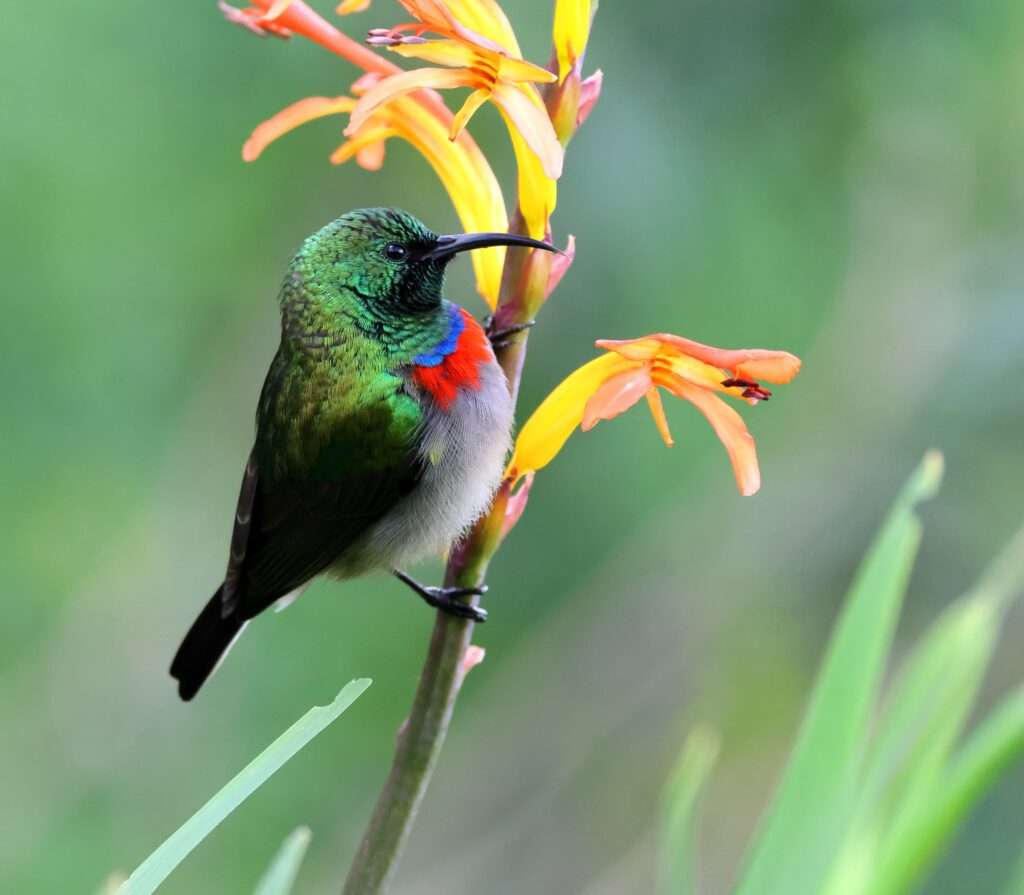
Set against the eastern slopes of Table Mountain, Kirstenbosch is a sanctuary for fynbos endemics. It is one of the most reliable sites for Cape Sugarbird and Orange-breasted Sunbird, particularly during spring (August to November) when proteas are in full bloom and nectar feeders are highly active.
Early mornings are best for both bird activity and avoiding visitor crowds. Highlights include the Boomslang Tree Canopy Walkway, offering eye-level views into the arboretum canopy; The Dell, ideal for forest species and resident owls; and the Protea Garden, a magnet for sugarbirds and sunbirds. Guided bird walks are available for those seeking local expertise.
Rooi-Els Nature Reserve
Located along the eastern shore of False Bay near the Kogelberg Mountains, Rooi-Els is widely regarded as the most accessible site for the sought-after Cape Rockjumper. The flat gravel stretch along Porter Drive provides productive roadside birding with spectacular mountain backdrops.
Spring is particularly rewarding, though birding remains productive year-round. Specialities include Cape Rock Thrush and Verreaux’s Eagle, alongside a variety of fynbos species.
De Hoop Nature Reserve
De Hoop combines pristine coastline, fynbos plains, and wetlands, offering diverse birding in a dramatic setting. The reserve supports a unique breeding colony of Cape Vultures and hosts a variety of coastal and terrestrial species. It is particularly rewarding for raptor enthusiasts and those seeking a blend of inland and marine birdlife.
Strandfontein Waste Water Treatment Works & False Bay Nature Reserve
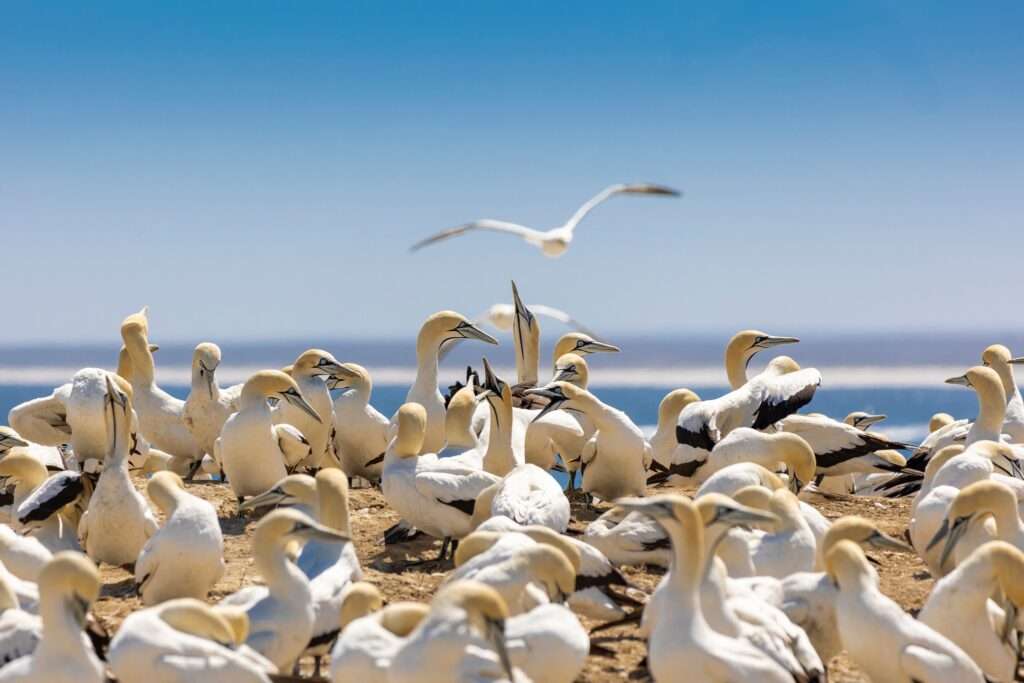
These wetlands are among the most productive waterbird sites in the province. Large concentrations of flamingos, pelicans, ducks, and waders gather year-round, with numbers swelling during migration periods. Well-positioned bird hides allow excellent photographic and observational opportunities.
Stony Point Nature Reserve & Boulders Beach – Penguin Colonies
Both sites provide outstanding viewing of the endangered African Penguin in natural coastal habitat. Elevated boardwalks offer close yet responsible viewing opportunities, making these colonies essential stops for visiting birders.
Arid & Forest Specialities
Tankwa Karoo National Park is ideal for arid-zone specials such as Cinnamon-breasted Warbler and Karoo Eremomela, while Harold Porter National Botanical Garden offers quieter mountain and forest birding, including Victorin’s Warbler.
For Afromontane forest species, Grootvadersbosch Nature Reserve is a stronghold for the Knysna Woodpecker. Meanwhile, Rondevlei Nature Reserve provides excellent hides overlooking wetlands rich in pelicans and other waterbirds.
The rugged coastline of Cape of Good Hope supports coastal fynbos species and diverse seabirds, particularly around Olifantsbos Beach.
Pelagic Birding
Boat trips departing from Hout Bay and Simon’s Town are essential for seabird enthusiasts. Pelagic excursions regularly encounter albatrosses, petrels, and shearwaters, particularly during winter (June to August) when oceanic conditions favour higher concentrations of seabirds.
Leading Birding Tour Operators & Guides (2026)
Professional guiding can significantly enhance a Western Cape birding experience.
Reputable operators include:
Let’s Go Birding – Specialising in tailored Western Cape itineraries, including Velddrif and Cape Town.
Lawson’s Birding, Wildlife & Custom Safaris – Offering comprehensive Western Cape Highlights tours.
BirdLife South Africa – Hosting guided trips, particularly in the Garden Route and Klein Karoo.
The Fynbos Guy – Focused on Cape Town’s fynbos endemics.
Freelance guides are also available and can provide highly personalised excursions.
Prime Birding Seasons
Summer (November to March): Peak season for migratory waders from the Northern Hemisphere, particularly at Langebaan Lagoon and other wetlands. Warm weather and long daylight hours enhance field time.
Spring (August to October): Ideal for protea specialists such as sugarbirds and sunbirds, combined with spectacular wildflower displays.
Winter (June to August): Best for pelagic trips targeting albatrosses and petrels, as well as excellent viewing of certain fynbos endemics.
Overall Best Period: September to March offers the most consistent variety, combining migrants, endemics, and favourable weather conditions.