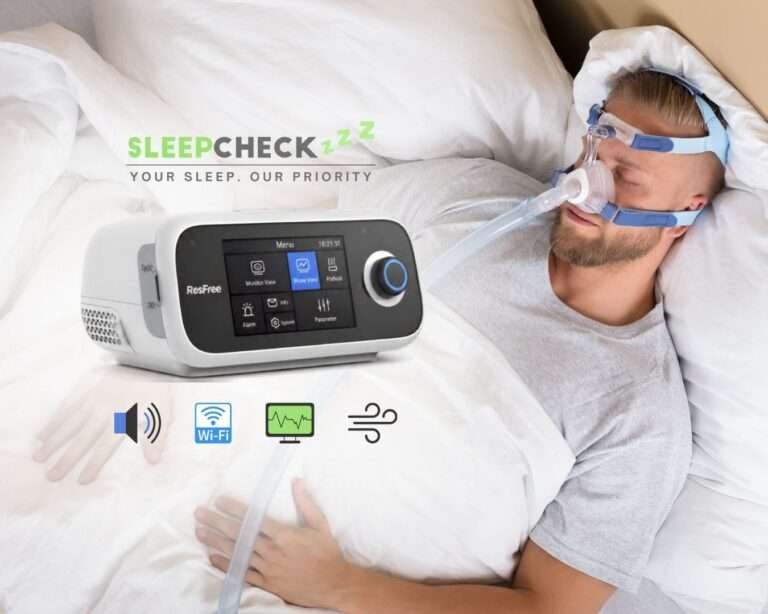
Researchers list incorrect pressure, contamination and missed recalls among the risks, and SAHPRA states that no medical device may be sold without a valid licence.
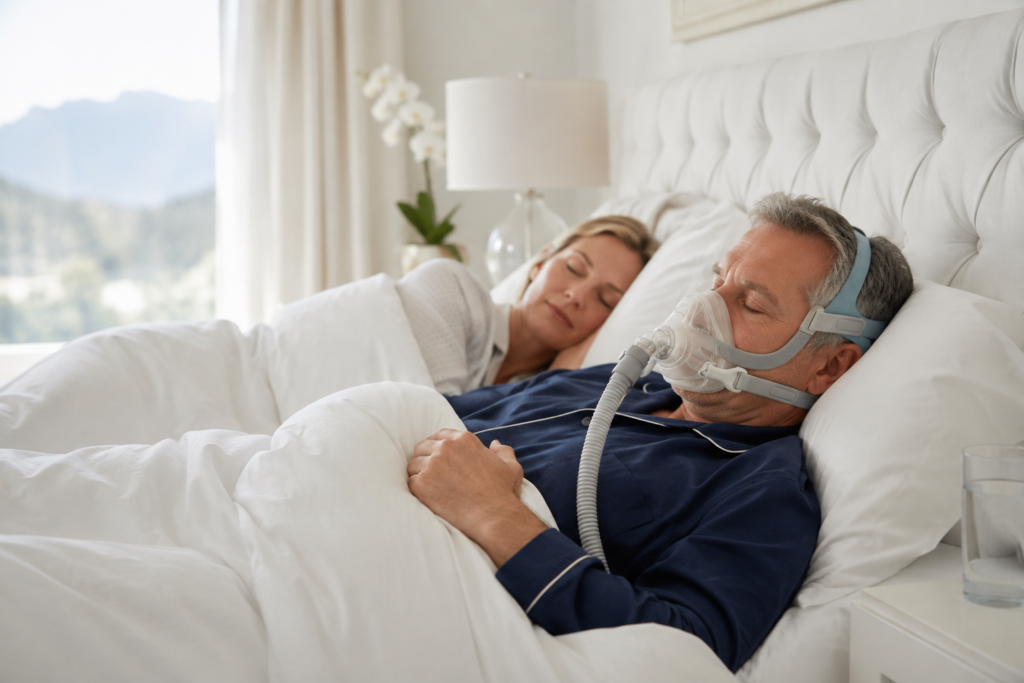
SleepCheck, a South African supplier, distributor and home sleep care service provider, is warning people who use or plan to buy a CPAP, APAP or BiPAP machine about the dangers of buying a cheap machine from a source that has not been verified.
These machines are medical devices that treat obstructive sleep apnoea. The National Heart, Lung, and Blood Institute in the United States reports that sleep apnea has been associated with an increased risk of high blood pressure, heart attack, stroke, obesity, diabetes and glaucoma. A machine that does not deliver the correct therapy leaves that risk in place.
Researchers in the United States who studied second-hand CPAP machines advertised online in 2014 found 270 advertisements in 18 cities and regions. They warned that a second-hand machine may deliver a pressure that is too low to be effective or too high, which can lead to discomfort or central sleep apnea events. SleepApnea.org lists further concerns, including unknown service history, bacteria, mould and viruses in machines that have not been professionally sanitised, and the absence of medical guidance.
A recall in the United States shows how therapy can fail without notice. In February 2023, a global manufacturer recalled 1,088 reworked CPAP and BiPAP machines. The US Food and Drug Administration reported that the machines could deliver therapy at the wrong settings, or no therapy at all, and that the user would receive no warning.
A bench study of 108 CPAP devices in the Journal of Clinical Sleep Medicine found that devices were accurate in general. It also found that the spread of pressure readings widened on devices with more than 6,000 hours of use, and its authors suggested that accuracy be verified when a device is acquired and once a year after that.
“A CPAP machine is a medical device, and it works as intended when it is the right machine, set to the right pressure, and supported by a company that stands behind it,” says Calvin Ross Holder, Managing Director at SleepCheck. “A low price shows one number. The hours on the machine, the pressure setting and the support after the sale are the numbers that decide how well the treatment works.“
The South African Health Products Regulatory Authority (SAHPRA) states that no medical device may be manufactured, distributed, imported, exported or sold without a valid medical device establishment licence. SAHPRA has also urged the public not to buy medicines or medical devices from unauthorised vendors, websites or social media platforms. In 2026, SAHPRA said it plans a national awareness campaign on counterfeit and unregistered health products sold online and on social media.
Why the CPAP device supplier matters
A hospital buys CPAP machines in bulk to equip a ward, and SleepCheck supplies a machine to one person for use at home. That difference in purpose shapes the service that comes with the machine. A home sleep care provider matches the machine and mask to the person who will use it, shows them how to set it up and clean it, and supplies replacement masks, tubing and filters when parts need to be replaced.
SleepCheck offers CPAP, APAP and BiPAP machines, masks, accessories and home oxygen equipment, so the machine and the support that keeps it running are found in one place. A bulk purchase serves a building, and a home sleep care provider serves a bedroom.
About SleepCheck SleepCheck is a South African based supplier, distributor and home sleep care service provider offering CPAP, APAP and BiPAP machines, sleep apnea masks, accessories and home oxygen equipment.