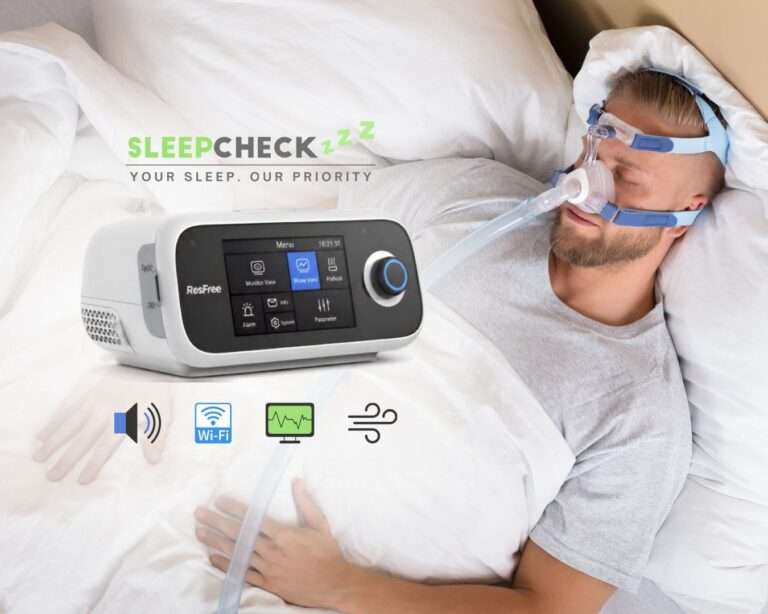
If you have been diagnosed with sleep apnea, you may have come across terms such as CPAP, APAP and BiPAP. While all three are forms of positive airway pressure therapy, they deliver air pressure in different ways.
Understanding the difference between a CPAP machine, APAP machine and BiPAP machine can help you understand your prescribed treatment and have a more informed conversation with your healthcare professional about your sleep therapy.
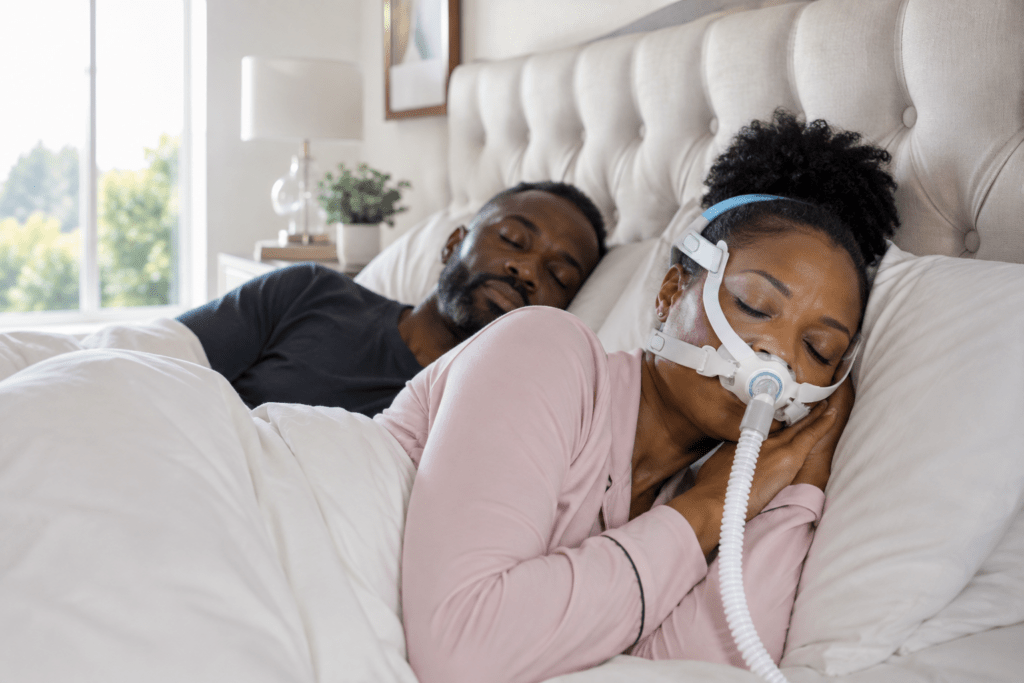
CPAP: Continuous Positive Airway Pressure Machine
CPAP stands for Continuous Positive Airway Pressure. A CPAP machine delivers a fixed level of air pressure through a mask to help keep the airway open while you sleep. The prescribed pressure remains at the set level throughout the night.
CPAP is one of the most commonly used forms of positive airway pressure therapy for obstructive sleep apnea. The pressure level is determined according to the individual’s treatment requirements and may be established through clinical assessment or sleep testing.
In simple terms, CPAP provides one consistent pressure throughout the night.
APAP: Auto-Adjusting Positive Airway Pressure
APAP stands for Auto-Adjusting Positive Airway Pressure. Like CPAP, an APAP machine uses positive air pressure to help keep the airway open, but it can automatically adjust the pressure within a prescribed range according to changes in breathing during sleep.
Your breathing needs can change throughout the night. Factors such as sleeping position and changes in breathing patterns can affect the amount of pressure required. An APAP machine responds to these changes by increasing or decreasing pressure within the range set for the individual.
In simple terms, APAP automatically adjusts the pressure as your breathing needs change.
It is important to note that APAP does not directly monitor your sleep stage. Instead, it responds to breathing-related signals detected by the machine.
BiPAP: Bilevel Positive Airway Pressure
BiPAP stands for Bilevel Positive Airway Pressure. Unlike CPAP, which provides one pressure level, BiPAP provides two distinct pressure levels: a higher pressure when you breathe in and a lower pressure when you breathe out.
The difference between the inspiratory and expiratory pressures can make breathing out against the machine easier for some people, particularly when higher pressure support is required. BiPAP may also be used in certain respiratory conditions or more complex breathing disorders, depending on the individual’s clinical needs.
In simple terms, BiPAP uses one pressure for breathing in and another pressure for breathing out.
What Is the Difference Between CPAP, APAP and BiPAP?
The main difference between the three machines is how they deliver air pressure.
CPAP: Provides one fixed level of pressure throughout the night, based on the pressure prescribed for the individual.
APAP: Automatically adjusts the pressure within a prescribed range as the machine detects changes in breathing during sleep.
BiPAP: Provides two different pressure levels, using a higher pressure during inhalation and a lower pressure during exhalation.
Although all three use positive airway pressure, they are not interchangeable. The appropriate device depends on the individual’s diagnosis, breathing needs and treatment requirements.
CPAP, APAP and BiPAP machines are manufactured by a range of medical equipment companies, with different brands offering their own device features, interfaces and product ranges. Brands such as ResMed, Philips Respironics, Fisher & Paykel Healthcare, Löwenstein Medical and BMC Medical are among the manufacturers associated with positive airway pressure and respiratory equipment.
CPAP, APAP and BiPAP Masks
The machine is only one part of positive airway pressure therapy. A suitable mask is also important because it delivers the air from the device to your airway.
Depending on your needs and the equipment prescribed, masks may cover the nose, sit over the nose and mouth, or use nasal pillows that fit at the nostrils. Finding a suitable mask and ensuring it fits correctly can form an important part of getting comfortable with PAP therapy.


Choosing the Right Sleep Apnea Equipment
If you have been prescribed PAP therapy, choosing equipment should not simply come down to selecting the machine with the most features. The type of device, pressure settings, mask, humidification and other accessories should all be considered in relation to your treatment requirements.
SleepCheck can assist with CPAP, APAP and BiPAP equipment, as well as masks and related sleep therapy products. As a SAHPRA-licensed supplier and distributor in South Africa, SleepCheck also provides equipment setup and training to help customers understand their prescribed equipment.
Which One is Best for You?
If you have been diagnosed with sleep apnea and need sleep breathing equipment, speak to your healthcare professional about which type of PAP therapy is appropriate for your needs.
SleepCheck supplies CPAP, APAP and BiPAP equipment in South Africa and can assist with equipment setup, training and medical aid claims.