Recovery from surgery, illness or a long stretch of stress rarely follows a straight line. The body heals, but the mind and spirit need their own kind of care too. This is where Reiki healing, a gentle Japanese energy therapy, has quietly earned a place in hospitals, clinics and healing practices around the world, including right here in Durbanville, Cape Town.
In this article, you will learn what Reiki is, where it comes from, and what research says about its effect on stress and recovery. You will also discover Ensofic Reiki, a refined form of this practice offered locally by Marda Hull, and how it may support you through surgery, chronic illness or simply a season that calls for rest.
By the end, you should have a clear picture of how energy healing works, what it can realistically offer, and how to access it if you feel called to try.
What Is Reiki and How Does It Work?
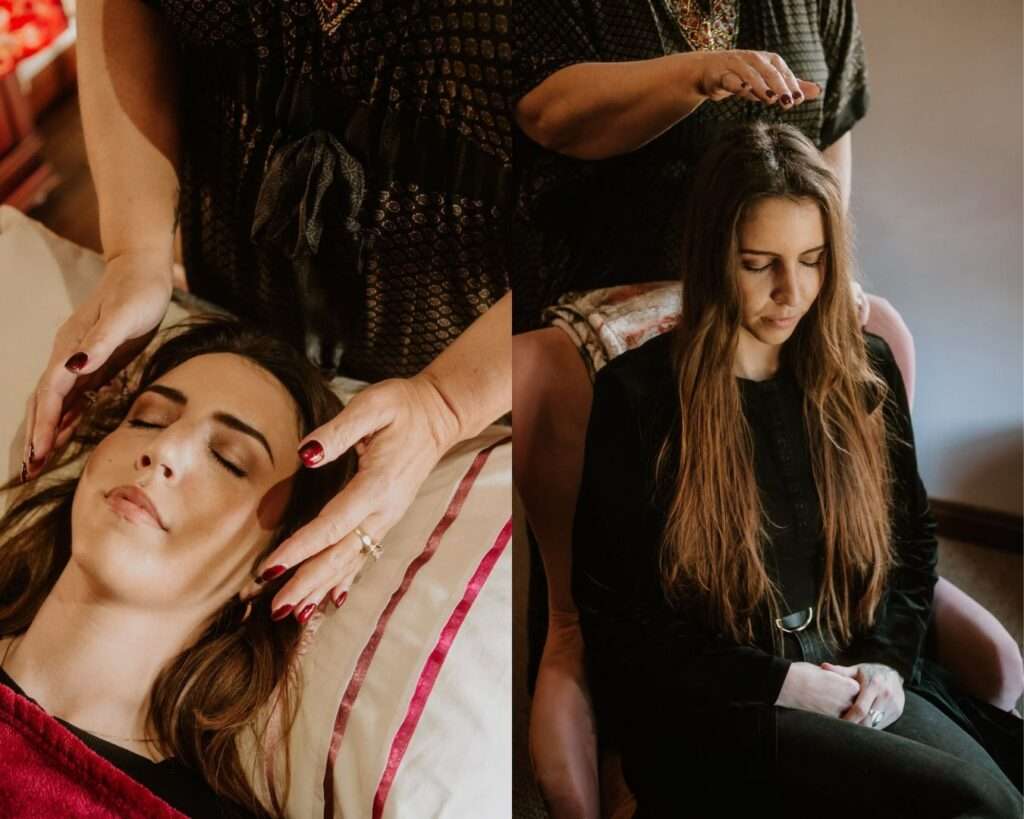
Reiki healing is a hands-on healing technique built on the idea that the body carries its own life energy, and that this energy can become blocked or depleted by stress, illness or injury. A practitioner places their hands lightly on or just above the body in a series of positions, allowing energy to flow and supporting the body’s own repair processes. There is no manipulation, no pressure and no equipment involved.
The Origins of Reiki
Reiki was developed in Japan in the early 1900s by Mikao Usui, a Buddhist lay monk. The word combines “rei,” referring to universal energy, and “ki,” the localized life energy found in every living being, and the practice centers on restoring a healthy flow of that energy through the laying on of hands. The method has since spread across the globe and evolved through several lineages, each adding its own depth and teaching structure.
How a Reiki Session Unfolds
A typical Reiki session takes place with the client lying down, fully clothed, in a quiet space. The practitioner moves through a sequence of hand positions, often starting near the head and working down the body. Sessions can also be done at a distance, since practitioners hold that energy is not limited by physical proximity.
The Research Behind Reiki’s Calming Effect
Reiki healing has moved well beyond alternative wellness circles. It has been used in hospital operating rooms since the mid-1990s, and by 2007 around 15 percent of American hospitals were already offering it as part of patient care. Today it ranks among the top three complementary therapies offered to hospital inpatients in the United States.
Reiki and Cortisol
A number of clinical studies have looked specifically at Reiki’s effect on stress hormones. A 2024 randomized, placebo-controlled trial published in the European Journal of Cardiovascular Nursing found that Reiki healing reduced blood cortisol and anxiety levels in cardiac patients, while a control group receiving no treatment showed rising cortisol over the same period. Other trials have shown similar drops in anxiety among cancer patients and their caregivers, though results across studies are not always consistent, and researchers continue to call for larger trials.
Reiki Healing in Major Hospitals
Reiki now has a presence at some of the most respected medical institutions in the world. Programs exist at Memorial Sloan Kettering, the Cleveland Clinic, New York Presbyterian, the Yale Cancer Center, the Mayo Clinic and Brigham and Women’s Hospital. At Hartford Hospital alone, volunteers have delivered more than 58,000 Reiki sessions over fifteen years, with over 84 percent of patients saying the experience would make them more likely to return to that hospital for future care.
Reiki for Post-Surgery and Chronic Illness Recovery
Recovery after surgery brings its own particular kind of strain, on the nervous system as much as on the surgical site itself. Research on energy work suggests it can support deep relaxation while easing anxiety, muscle tension and pain, and may even support faster wound healing, making it useful before and after operations as well as during general illness. Patients living with chronic fatigue, cancer treatment or ongoing pain management often turn to Reiki healing as a complement to their medical care, not a replacement for it, using the sessions to feel steadier while their body does the harder work of healing.
Ensofic Reiki is a Deeper Form of Energy Work
Within the wider field of Reiki, some lineages have developed more advanced levels of practice. The Modern Mystery School Ensofic Reiki™, is one such refinement, described by practitioners as amongst the purest and most effective forms of Reiki available.
The intention behind each session remains the same as classic Reiki: to clear blockages and support the body’s own healing intelligence, but practitioners describe the energy directed through the Ensofic Reiki method as more focused and concentrated.
Marda Hull, who practices Ensofic Reiki from her Durbanville-based centre, offers sessions to clients navigating pre and post-surgical recovery, chronic fatigue, cancer treatment, pain management and general physical reset, as well as sessions to support mental and emotional wellbeing and overcoming addictive behaviors. For those who cannot travel, whether recovering in hospital or living further from Cape Town, distance sessions are available too, since the energy work does not depend on the client being in the same room as the practitioner.
Is Reiki Safe to Use Alongside Conventional Medical Treatment?
Yes. Reiki is non-invasive, involves no medication and applies no physical pressure, which is part of why hospitals such as Memorial Sloan Kettering, the Mayo Clinic and the Cleveland Clinic have integrated it into their patient care programs rather than treating it as a substitute for medical care. It is generally offered as a companion to surgery, chemotherapy or ongoing treatment, aimed at easing stress, anxiety and discomfort while conventional medicine handles the clinical work of healing. Anyone considering Reiki during active treatment should still keep their doctor informed, particularly if they have a pacemaker or another condition where any hands-on therapy warrants a conversation first.
How Many Reiki Sessions Are Needed to See a Benefit?
There is no fixed number, since it depends on what a person is working through and how their body responds. Some people notice a sense of calm after a single session, while those managing chronic fatigue, cancer treatment or a slow surgical recovery often benefit from a regular rhythm, such as weekly sessions over several weeks. In the cardiac trial mentioned earlier, participants received one session followed by a distance session the next day, with measurable changes in cortisol and anxiety recorded a week later. Marda Hull typically discusses a suitable pace with each client during their first consultation, based on their specific health picture.
Experiencing Reiki in Durbanville, Cape Town
None of this asks you to step away from conventional medicine. Reiki sits beside your doctor’s care, not in place of it, offering a quiet form of support while your body handles the heavier lifting of recovery. As Marda often reminds skeptical clients, quoting from David Hamilton’s work on the mind-body connection, Einstein himself acknowledged how little of nature’s workings we truly understand. It is less a claim of certainty and more an invitation to stay open.
If you are recovering from surgery, managing a long-term illness, or simply looking for a peaceful reset, a Reiki session in Durbanville may be worth exploring.